Understanding How to Protect Your Pool Surface
Maintaining a pool involves more than just cleaning and checking the water. The surface of the pool is crucial for its longevity and aesthetics. Over time, exposure to chemicals, weather conditions, and regular use can cause damage to the surface. This is where proper maintenance plays a significant role. Understanding how to protect your pool surface effectively helps in ensuring that it remains in excellent condition for years.
Importance of Proper Surface Maintenance
The surface of your pool is constantly exposed to harsh elements, including sun and chemicals like chlorine. Without proper care, these elements can lead to cracks and other forms of damage. Regular upkeep not only prevents these issues but also extends the life of your pool. Additionally, maintaining the pool’s surface ensures safety by preventing injuries caused by rough or uneven surfaces.
Using Pool Plastering for Surface Protection
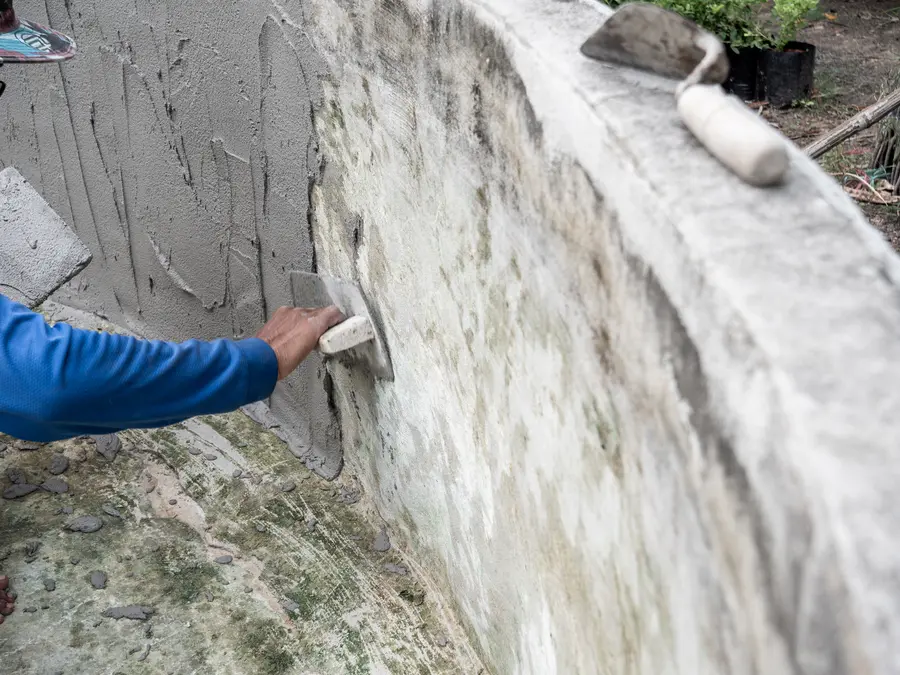
One effective method to protect your pool surface is through pool plastering. Pool plastering involves applying a new layer over the existing surface, which acts as a protective barrier. This process helps keep your pool looking new and functioning correctly. By doing so, you minimize potential damage and avoid costly repairs down the line.
Benefits of Pool Plastering Over Other Methods
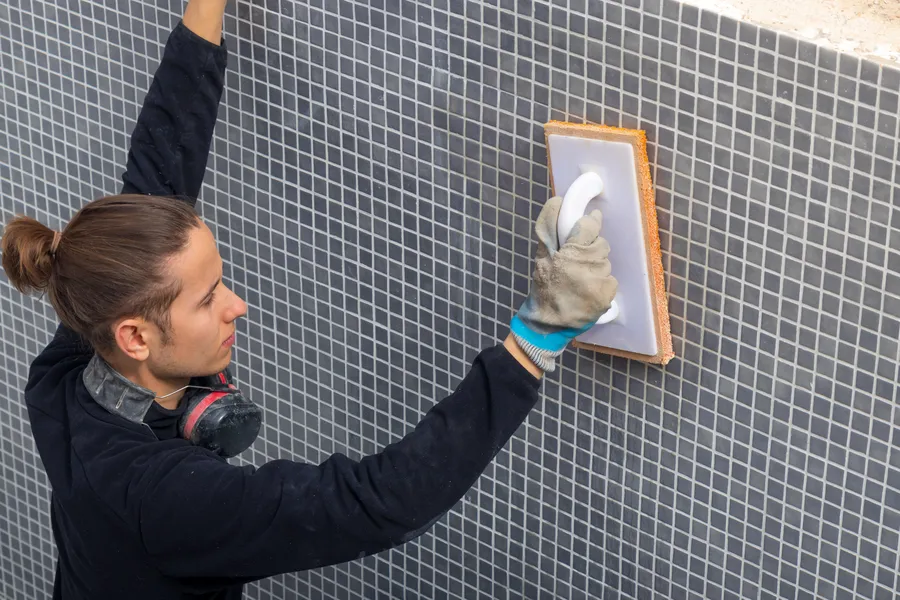
Pool plastering offers several advantages compared to other surface protection methods. Firstly, it provides a smooth finish that enhances the overall look of your pool. Secondly, it’s durable, offering long-lasting protection against wear and tear. Lastly, it can be customized with different colors and textures to match your preferred style, making it a versatile option for many pool owners.
Common Issues Related to Pool Surfaces
Pools often face several common problems that affect their surfaces. Cracking is one such issue that occurs due to temperature fluctuations or improper installation. Staining can also happen from metal deposits or algae growth. In addition, etching may occur if pH levels are not maintained. Identifying these issues early on can save you time and money in repairs.
How to Address Common Pool Surface Challenges
Tackling these challenges requires a strategic approach. For cracking, ensure routine inspections and timely repairs when small cracks appear. To prevent staining, control the chemical balance in your pool water regularly. To combat etching, maintain proper alkalinity levels. Implementing these measures can help preserve your pool’s surface integrity.
Best Practices for Maintaining Pool Surfaces
Adopting best practices ensures your pool remains in top condition. Here are some guidelines:
- Regularly check and balance chemical levels
- Clean debris promptly to prevent stains
- Schedule professional inspections annually
- Apply sealants for added protection
- Monitor water level to prevent overflow damage
Cost Considerations for Pool Maintenance
Caring for your pool comes with costs, but these expenses are manageable with planning. Initial investments in good materials and professional services can reduce future repair costs significantly. Routine maintenance might seem like an added expense but consider it an investment in prolonging your pool’s lifespan. These efforts offer great returns by ensuring lasting enjoyment and safety.
Your Path to a Well-Maintained Pool
A well-maintained pool brings peace of mind and pleasure year-round. If you’re based in Moreno Valley, CA, reach out to us at Rocca Pool Cleaning and Repair for expert advice and service. Our team specializes in helping you achieve a pristine pool environment. Call (951) 313-4090 today to discuss how we can enhance your swimming experience with quality care.